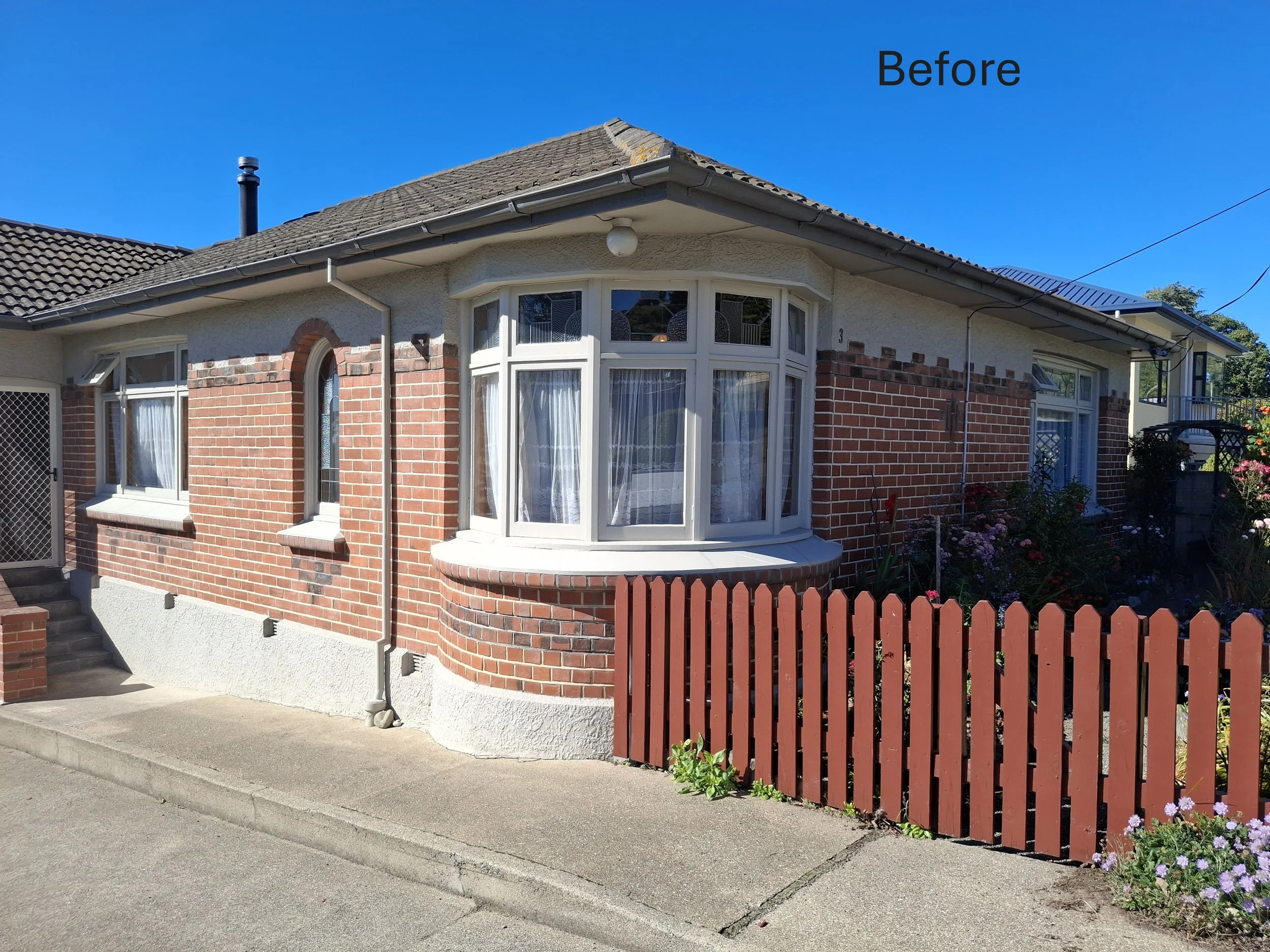
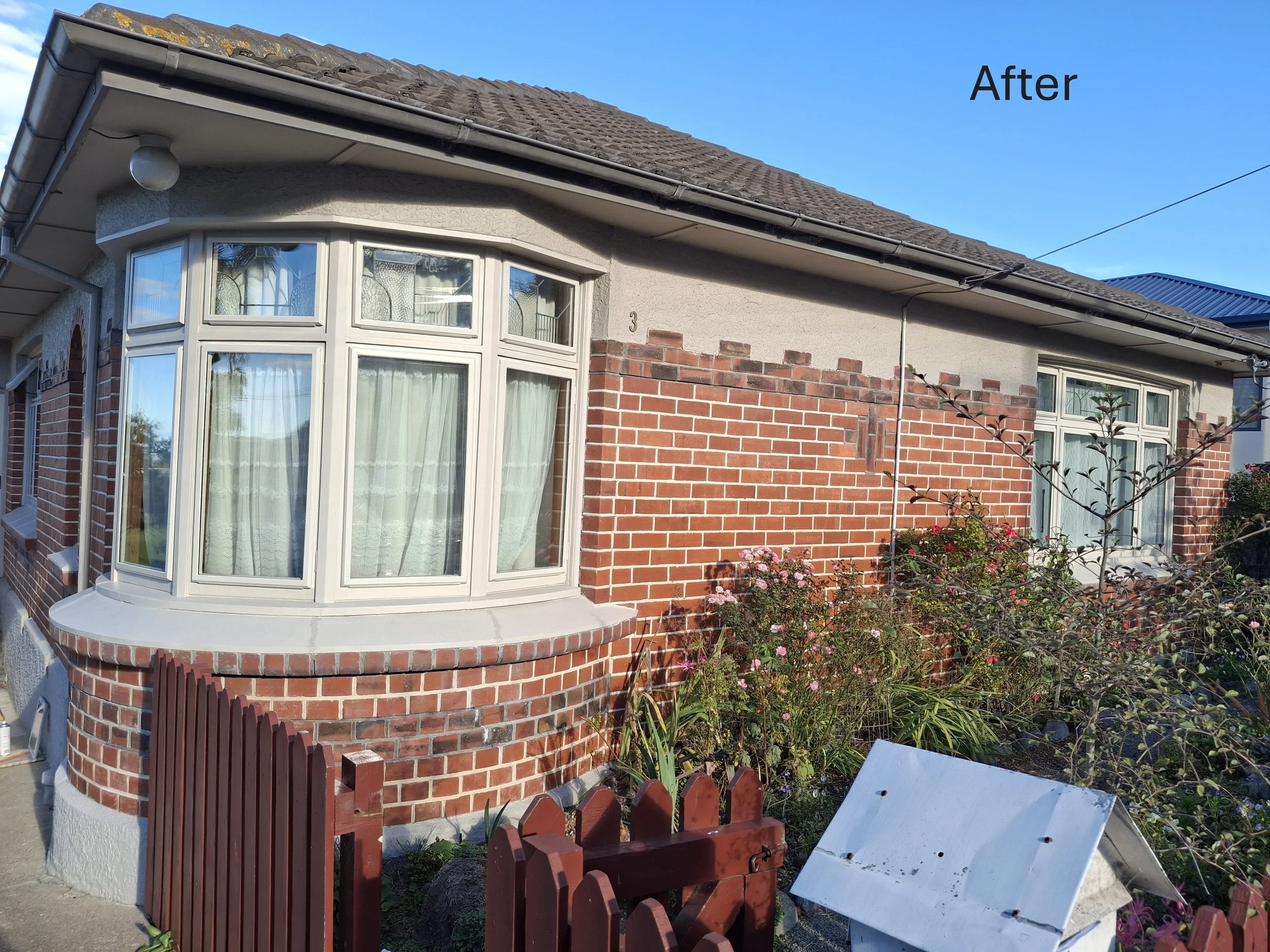
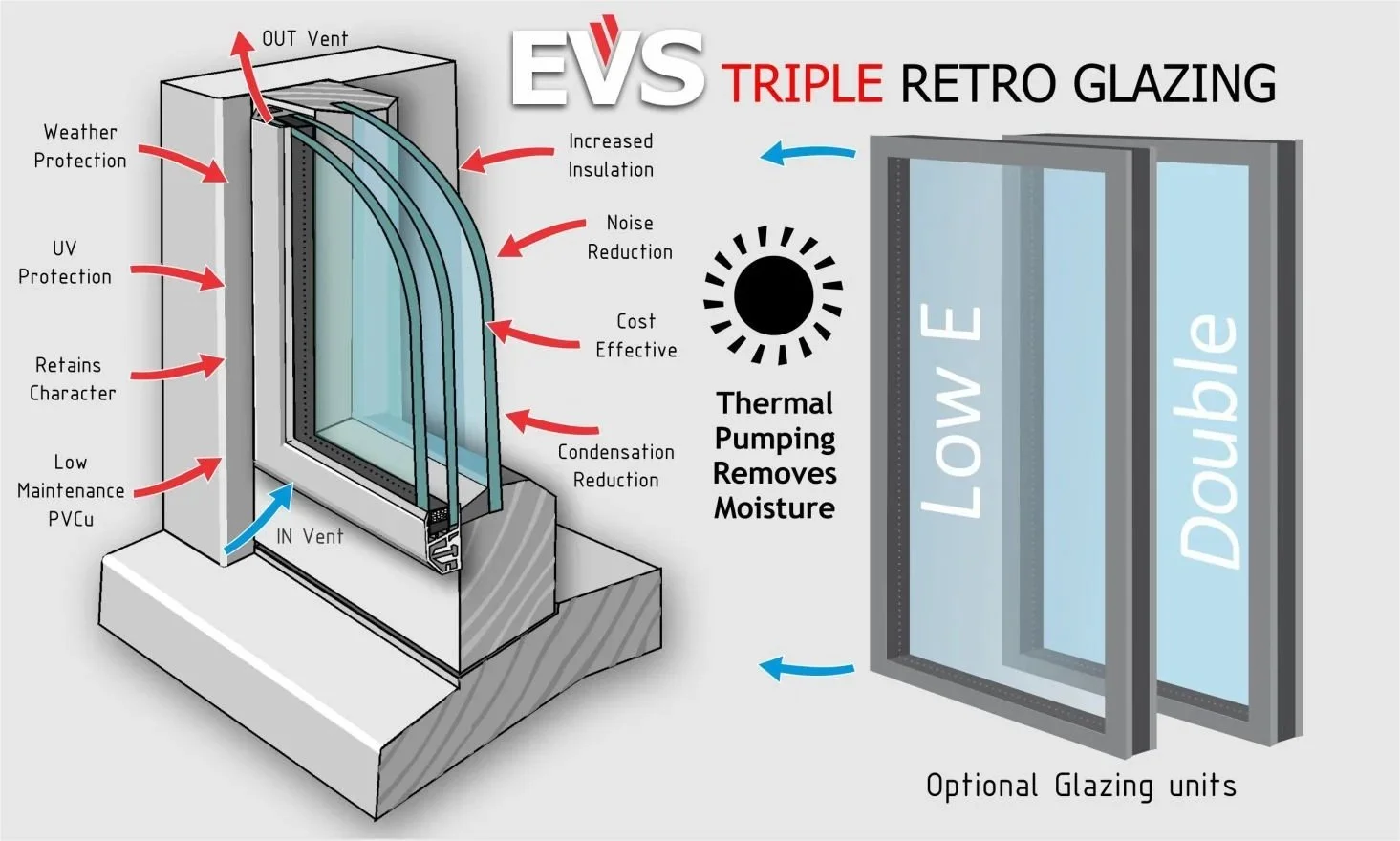
Retro glazing older character homes often means sacrificing original glass and delicate features like astragals and lead-light windows. The EVS Triple Retro glazing system changes that. It installs a double-glazed unit to the outside of existing panes, preserving the original glass and character details intact. The result: authentic appearance retained, installation time reduced, and thermal and acoustic performance dramatically improved.
Why it’s the right choice for character homes
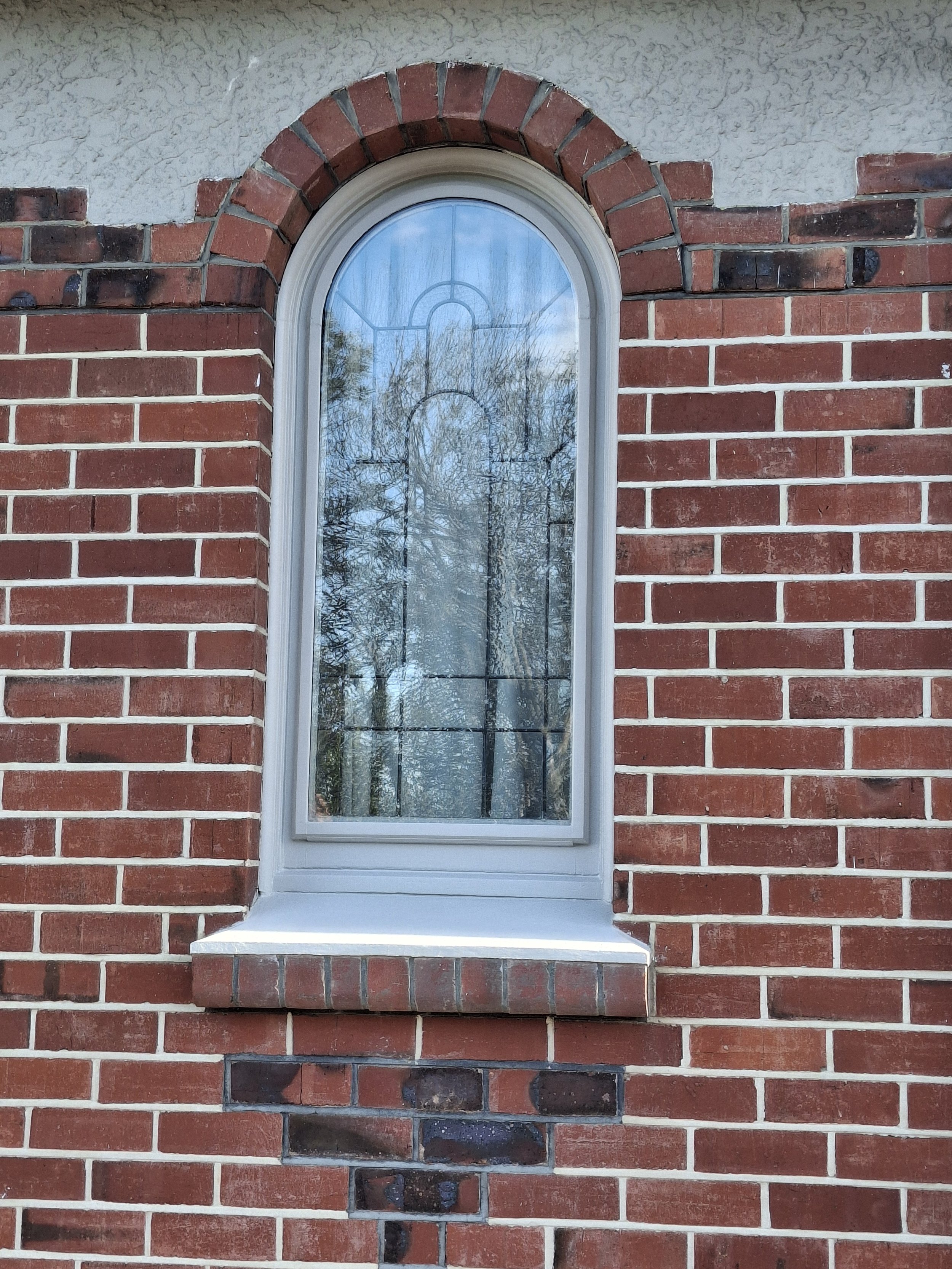
Preserve heritage: Original panes, leadlights and mouldings remain untouched. No need to remove or alter historic glazing.
Fast, non-invasive fit: External addition avoids dismantling.
Perfect for Wooden windows in Oamaru
We can do glass replacement and leadlight repairs of original glass.
EVS Triple Retro Glazing
Providing service in Waitaki Valley, Kurow, Duntroon, Oamaru, Kakanui, Hampden and surrounding areas.
Preserving HIstory
With Modern warmth
Goldies Glass
Thermal Resistance
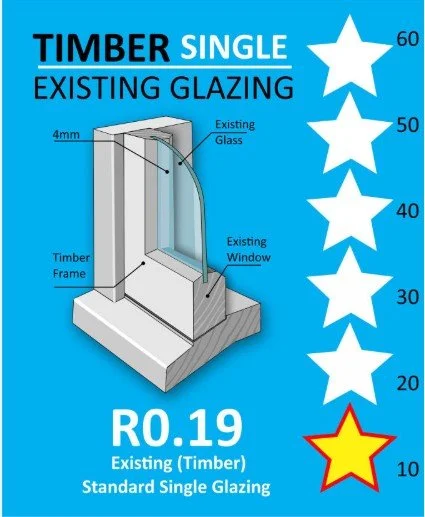
Single-glazed windows have a relatively low insulation value R0.19), which allows heat to escape more easily than insulated glazing. This can result in colder indoor temperatures, higher energy costs, and increased condensation, particularly in poorly ventilated areas. During winter, single glazing can also create cold spots and draughts, reducing the overall comfort of your home or workplace.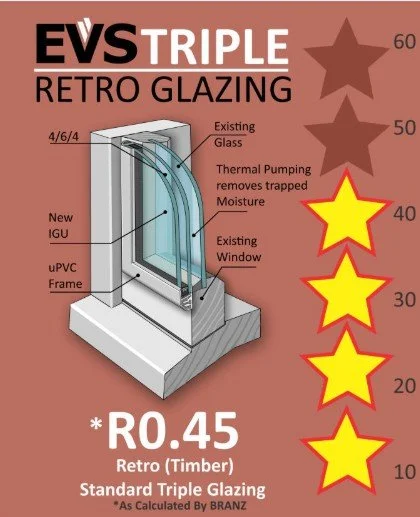
Standard double glazing provides a significant improvement in thermal performance over single glazing, with an insulation value R0.45. This is considerably higher than standard aluminium-framed double glazing (approximately R0.26), helping to reduce heat loss, minimise condensation, and improve indoor comfort. It also allows natural sunlight to warm your home, making it an excellent choice for a warmer, more energy-efficient living environment.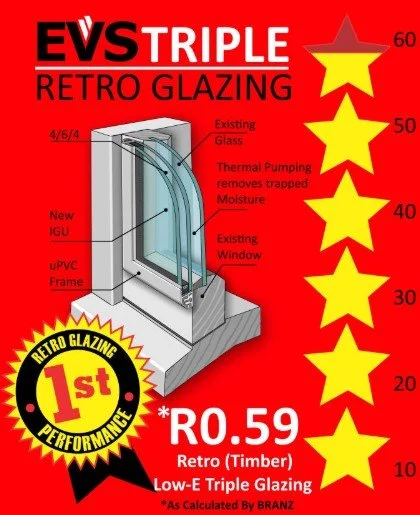
Low-E argon double glazing offers the highest level of thermal performance for retrofitted windows, with an insulation value R0.59. The Low-E coating and argon gas work together to reduce heat loss in winter while helping to limit unwanted heat gain in summer. This provides superior energy efficiency, improved year-round comfort, and reduced condensation, making it the premium choice for homeowners looking to maximise the performance of their existing windows.